How In-Home Senior Caregivers Promote Daily Hygiene and Comfort
Business Name: FootPrints Home Care
Address: 4811 Hardware Dr NE d1, Albuquerque, NM 87109
Phone: (505) 828-3918
FootPrints Home Care
FootPrints Home Care offers in-home senior care including assistance with activities of daily living, meal preparation and light housekeeping, companion care and more. We offer a no-charge in-home assessment to design care for the client to age in place. FootPrints offers senior home care in the greater Albuquerque region as well as the Santa Fe/Los Alamos area.
4811 Hardware Dr NE d1, Albuquerque, NM 87109
Business Hours
When families begin checking out at home senior care, daily hygiene frequently sits at the top of the concern list, even if no one quite says it aloud. Adult children discover unwashed hair, a growing stack of laundry, or a father who swears he took a shower yet still smells of yesterday's lunch. These are not simply cosmetic issues. For older adults, constant, dignified support with hygiene can indicate the difference between steady health in the house and repeating infections, falls, or hospital stays.
Caregivers who operate in senior home care see this every day. Great hygiene assistance is rarely about scrubbing somebody tidy. It has to do with convenience, safety, cooperation, and respect. When it is done well, it looks calm and nearly unnoticeable. When it is done badly or not at all, you see the outcomes immediately in a loved one's mood, movement, and medical chart.
This article strolls through how experienced in-home caretakers in fact approach day-to-day hygiene and comfort, what families often overlook, and how thoughtful elder care can protect both health and dignity.

Why hygiene is about more than "looking clean"
Families typically very first notification hygiene modifications through looks: rumpled clothes, oily hair, unshaven faces. From a caregiver's perspective, the much deeper issues look different.
Poor hygiene raises infection danger, especially urinary tract infections, skin breakdown, fungal infections, and breathing problems. A client who has not had a proper shower or sponge bath in a week may start to develop redness in skin folds or pressure locations. Small problems can intensify quick, especially for grownups with diabetes, cardiac concerns, or restricted mobility.
Safety is another layer. Restroom jobs are high-risk moments. The majority of falls in the house take place in or near the restroom. Wet floorings, poor lighting, tight areas, and rushing to the toilet during the night can all combine into a dangerous scenario. In-home care turns those risky minutes into supervised, constant regimens that decrease the chance of an emergency room visit.
Finally, there is emotional convenience. Senior citizens who feel unkempt, smell themselves however can not repair it, or battle with continence often withdraw. They prevent visitors or social activities out of embarrassment. In time this seclusion feeds anxiety and cognitive decline. Consistent, respectful hygiene care assists individuals feel like themselves, which carries a peaceful but effective impact on quality of life.
The starting point: building trust before touching tasks
The best caregivers do not start their very first day with a shower. They begin with conversation.
For a new in-home senior care client, specifically someone in their seventies, eighties, or nineties, bathing makes love and sometimes humiliating if rushed. Numerous elders have not had anyone help them shower given that they were toddlers. That sudden loss of personal privacy can feel like a loss of self.
Skilled caretakers understand that hygiene support depends on trust. So the first few visits may prioritize simple, less personal tasks: making tea, aiding with mail, folding laundry together, or arranging the restroom. During that time, caregivers are silently learning preferences:
- Does this individual prefer baths or showers?
- Are early mornings better than evenings?
- How do they speak about modesty and privacy?
- Which items have they constantly used?
Those small information accumulate. A caregiver who learns that a customer has used the same soap for fifty years, then purchases that soap before the very first assisted shower, sends out a clear message: your regimens matter. That respect makes later, more hands-on assistance much easier to accept.
Morning routines: setting a steady foundation for the day
Daily hygiene normally anchors the early morning. When I work with firms that supply home take care of parents who wish to "remain independent," I typically recommend we provide the early morning slow, predictable structure instead of rushing from bed to bathroom.
A typical pattern might appear like this:
A caretaker arrives, checks in on how the night went, and assists the client stay up gradually, possibly using a gait belt or bed rail. They may start with a fast toilet journey, then hand washing, and a mild face wash. Teeth brushing typically comes next, with the caretaker holding the tooth brush manage only if required, not by default. For clients with arthritis, electrical tooth brushes can help maintain independence.
Bathing may take place daily or a few times a week depending on skin condition, individual choice, and the customer's case history. On non-bath days, a well-planned sponge bath covers the essentials without the strain of browsing a shower. Experienced caregivers find out where to put chairs, how to change water temperature level, where to keep towels within easy reach, and how to speed motions so the customer can follow along.
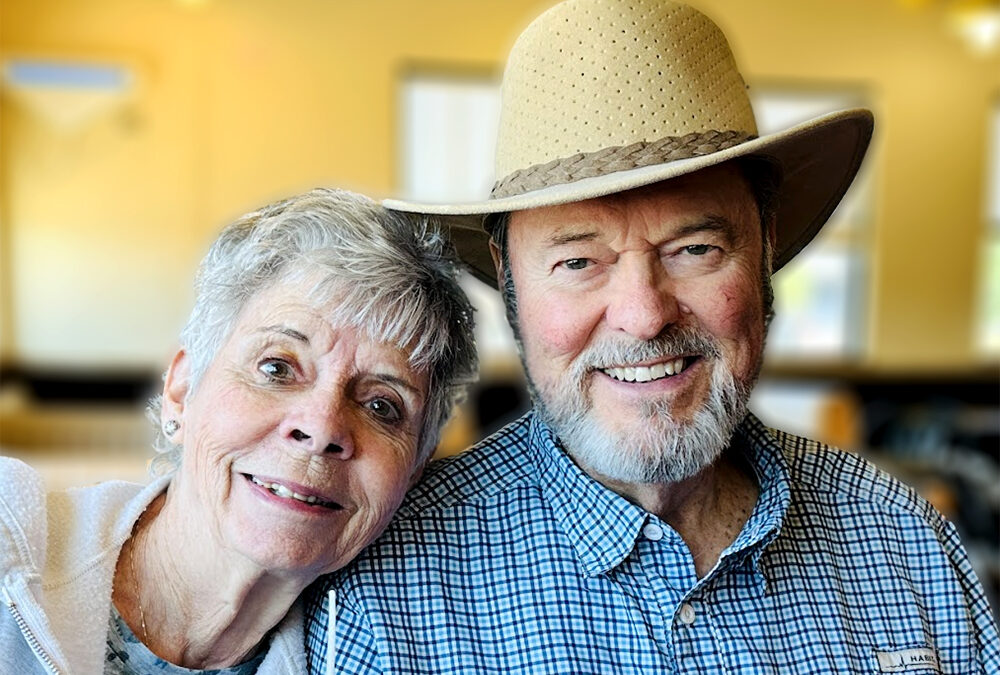
Throughout, the focus remains on comfort and partial self-reliance. Rather of cleaning the customer from head to toe, a good caregiver will frequently say, "Would you like to wash your face and chest, and I will assist with your back and legs?" This blend of assistance and autonomy maintains dignity and keeps muscles and coordination engaged.
Bathing and bathing: stabilizing safety, skin, and dignity
Bathing assistance is where most member of the family feel the most awkward. A daughter assisting her father into the shower, or a son cleaning his mother's back, can be mentally charged. Numerous families prefer to generate senior home care specialists for this really reason.
From a professional caretaker's point of view, a safe and comfy bath regular rests on 3 pillars: environment, technique, and pacing.
Environment precedes. Before the client ever enters the bathroom, caregivers examine water temperature, clear clutter, set out towels and clothes, and ensure grab bars, shower chairs, and non-slip mats remain in location. In cities like Albuquerque, where many older homes have narrow tubs and very little components, firms that specialize in Albuquerque home care typically coordinate easy adjustments, such as tension-mounted grab bars or raised toilet seats, to make ongoing hygiene care realistic.
Method depends upon movement, cognition, and medical conditions. Some clients do best with a complete seated shower, utilizing a portable showerhead and a lightweight bathrobe or towel to keep modesty. Others endure a shower only every few days but do well with day-to-day perineal care and a partial sponge bath. Clients with advanced dementia may do far better with "towel baths" where warm, soapy, pre-wrung towels are utilized to gently cleanse and rinse without running water, which can feel frightening or overwhelming.
Pacing methods never rushing the process, even when schedules are tight. Many falls and agitation episodes happen when somebody feels rushed or pushed. A knowledgeable caretaker will provide calm narrative of each step: "I am going to turn on the water now. You tell me when the temperature level feels right. We will sit here on the chair and take our time." That sense of control reduces stress and anxiety and develops cooperation.
Oral care: the underappreciated cornerstone of comfort
Mouth care might be the most underrated part of home care and elder care. Poor oral hygiene does not just trigger bad breath. It contributes to aspiration pneumonia, worsens diabetes control, and decreases the desire to eat. For seniors with dementia or those who have had strokes, tooth brushing can also turn quickly into a daily battle.
In-home caregivers who manage oral care well tend to follow a few quiet principles. They turn tooth brushing into a regular that constantly happens at the same time and location, frequently while the client is seated and calm. They use short, friendly cues rather than long descriptions. For instance: "Let's clean your smile," rather than, "You have not brushed in 2 days and we need to avoid infection."
Adaptive tools play a big function too. A foam-handled tooth brush assists clients with weak grip. For those with limited series of movement, the caretaker may assist their hand rather than just taking over, which preserves a sense of involvement. For customers who can not endure basic brushing, particularly in later dementia, caregivers in some cases use oral swabs with diluted mouthwash or water to carefully clean gums and teeth surfaces.
Dentures require their own routine: elimination at night, mild brushing, soaking, and mindful examination of the mouth for red spots, sores, or white patches that may signal infection. Numerous senior citizens will not complain of mouth discomfort verbally, however their caretakers will observe they are chewing less, pressing food to one side, or avoiding preferred meals. Tuning into those signals permits early intervention and secures both comfort and nutrition.
Skin care, continence, and the peaceful work of prevention
Skin tells a caregiver a great deal about a customer's total health and daily habits. Dry, flaky skin may show dehydration. Soreness in the tailbone or heel location can signify pressure risk. Fungal changes between toes mean wetness and footwear problems. In-home senior care provides caregivers the unique benefit of seeing skin every day, in genuine conditions, not simply during a yearly exam.

Continence care is a sensitive, high-stakes part of the work. Senior citizens who stress over dripping urine or bowel mishaps often significantly limit their fluid intake and activity, which leads to more infections, constipation, and weakness. A great caretaker carefully disrupts that downward spiral.
Here is a simple continence and skin comfort checklist that families often find helpful to go over with their care group:
- Timed restroom visits, such as every two to three hours while awake, to reduce seriousness and accidents.
- Proper cleaning after each episode, using pH-balanced wipes or soap and water, not severe products.
- Application of barrier creams to protect skin from moisture-related breakdown, especially in the perineal area.
- Adequate hydration throughout the day, balanced with a lighter intake in the late evening to reduce nighttime trips.
- Inspection for soreness, rash, or open areas and timely reporting to household or nurses if something changes.
When caregivers manage these actions silently and regularly, customers feel less ashamed and more in control. That emotional relief is as essential as the physical protection.
Clothing, grooming, and the psychology of comfort
Another ignored component of in-home care involves clothing and grooming options. Clothing that are hard to place on lead numerous seniors to oversleep daywear, skip altering undergarments, or avoid bathing. Clothing that feel unfamiliar or childish can injure pride and cooperation.
Experienced caretakers search for flexible waistbands, large neck openings, and fabrics that feel familiar and comfy. They typically will set out two attire alternatives instead of one, and welcome the customer to choose: "This blue t-shirt or the green one today?" That small choice supports autonomy and participation.
Grooming touches like combing hair, shaving, trimming nails, and moisturizing dry hands may sound superficial, but they bring weight. A gentleman who has shaved every morning for sixty years might feel unmoored when he suddenly stops. A caretaker who notifications this can reestablish a safe electric razor, with the customer holding the manage while the caregiver guides, turning a lost routine back into a day-to-day anchor.
Personal care also links directly to social engagement. In lots of elder care settings, I have enjoyed clients transform when they understand a grandchild is going to or when they have a weekly getaway. A caretaker who schedules a hair wash and clean clothes before a video call, or who helps a customer use the lipstick she always used to church, is not just polishing appearances. They are signifying: you deserve getting ready for; your life still consists of meaningful events.
Hygiene take care of elders with dementia
Memory loss changes everything about hygiene. An individual might forget they have actually already bathed, deny requiring a shower, or become terrified by the noise or feel of running water. Traditional reasoning, such as "The physician states you must shower," frequently backfires and activates resistance.
In dementia-focused in-home care, the most successful hygiene routines count on cueing, simplification, and versatility. Rather of announcing, "It is shower time," caregivers may state, "Let us get ready for the day. Here is your warm towel." They lead with sensory convenience instead of job labels.
Short directions and hand-over-hand guidance help: gently positioning the customer's hand on the washcloth and moving together, rather than washing them totally. Visual cues, like laying out towels and soap in a clearly staged way, can prompt the best actions without long explanations.
When a customer refuses bathing outright, seasoned caregivers prevent power struggles. They may pivot to a partial sponge bath or hand and face wash, then try a more comprehensive wash later on in the day when the individual is less worn out. Forcing a shower seldom ends well; it fractures trust and leaves everybody exhausted.
Family members typically require peace of mind that "good enough" hygiene is appropriate when dementia advances. The objective shifts from traditional standards of tidiness to safety, comfort, and skin stability. An experienced home care team assists households recalibrate expectations so that the customer's psychological wellbeing is not compromised in the name of a rigid routine.
Coordinating with households: various views of "tidy enough"
One of the recurring obstacles in senior home care is that member of the family, customers, and caregivers may have very various standards and expectations around tidiness. A daughter may insist her mother shower daily, the way she did at age forty, while the mother herself matured with twice-weekly baths and feels removed of oils and cooled by everyday showers.
A competent in-home care group serves as a bridge. They listen to the household's concerns, evaluate the customer's skin and medical needs, and then recommend a practical schedule. Frequently this looks like complete showers 2 or 3 times per week, with targeted sponge baths and day-to-day oral care, grooming, and clothing changes. For lots of older grownups, that balance protects skin while avoiding unneeded stress.
To keep everybody lined up, households and caretakers might compare expectations around a few crucial hygiene domains:
- Bathing frequency and type, customized to skin health and preference.
- Oral care routines, including who assists, how frequently, and with what tools.
- Laundry schedules, particularly for bed linen and undergarments.
- Continence products and how discreetly they are dealt with and stored.
Regular interaction matters. Agencies that supply home care for parents who live alone, particularly at a range, need to send short updates to adult children: "Your dad endured a complete shower today and we observed a small red location near his ankle, which we are viewing." These concrete details construct self-confidence and enable early medical follow up when needed.
Local realities: Albuquerque home care and environment considerations
Location shapes hygiene routines more than people presume. In a dry, high-desert climate like Albuquerque, home care service providers face unique issues. Skin dryness is common, specifically in winter. Senior citizens are more susceptible to broken heels, chapped lips, and scratchy arms and legs. Overbathing or utilizing severe soaps can make this worse.
Caregivers in Albuquerque home care settings frequently change by utilizing mild, fragrance-free cleansers, lukewarm rather than hot water, in home care footprintshomecare.com and generous moisturizers applied right after bathing when the skin is still somewhat damp. Cotton clothes and breathable bedding help reduce skin inflammation in the dry air.
Water temperature level and bathroom heating can be critical too. Older grownups with circulatory issues may feel cooled rapidly, even in a house the household thinks about warm. Caretakers might pre-warm the bathroom with a safe space heating system, keep towels on a rack near the shower, and reduce exposure to air during transfers from shower chair to drying area.
Altitude and dry climate likewise affect hydration. Caretakers pay close attention to mouth wetness, urine color, and reported thirst, then adjust fluid offerings appropriately. Sufficient hydration and humidified air, when recommended by medical teams, make oral and nasal hygiene more comfy and effective.
Choosing an in-home care company with strong hygiene support
Families often assess home care agencies based upon schedules and per hour rates, and just later discover that hygiene support quality differs commonly. To evaluate whether an at home senior care service provider takes hygiene and comfort seriously, it assists to ask targeted questions.
Ask how caregivers are trained in bathing, continence care, and dementia-sensitive approaches. A vague "we aid with personal care" is less encouraging than a concrete description of how staff find out safe transfers, skin assessment, and modesty-preserving techniques.
Ask how they document and report modifications in skin, smell, appetite, or continence. Timely reporting of a new rash, strong-smelling urine, or rejection to shower can avoid larger problems. Agencies devoted to quality elder care motivate caretakers to notice and communicate these details.
Ask how they match caregivers to clients. A parent who is extremely modest might feel more comfy with a caregiver of the same gender, or one closer to their own age, or conversely, somebody more youthful whom they see plainly as an expert and not a peer. Excellent companies attempt to accommodate this when possible.
Finally, inquire about flexibility. Hygiene requires modification. After a hospitalization or surgical treatment, a client might briefly need more extensive support, then phase back to a lighter regimen. Providers that comprehend this arc can adjust schedules and care strategies without triggering consistent disruption.
When household and expert care work together
The most sustainable arrangements generally blend household involvement with expert in-home care. A loved one may handle haircuts or favorite grooming rituals throughout weekend visits, while weekday caretakers handle baths, toilet assistance, and daily oral care. Communication keeps the routine smooth and consistent.
For example, in one case I encountered, a kid lived across town from his mother but visited every Sunday. He felt strongly about assisting her with a weekly "spa day" that included washing and setting her hair the way she had always liked. On guidance from the home care team, weekday caretakers concentrated on shorter sponge baths, continence care, and tidy clothes, while leaving the more intricate hair routine for Sunday. The mother felt pampered rather than managed, the boy kept a significant role, and the caregivers held a realistic, sustainable workload.
That kind of plan is not unintentional. It needs a sincere discussion about what the senior worths most, what household can really offer, and where expert caretakers bring irreplaceable abilities, especially with lifting, transfers, and complicated medical conditions.
The quiet power of feeling tidy, safe, and seen
At its core, hygiene care has to do with more than soap and water. For older adults receiving in-home care, it is one of the clearest daily signals that they are still deserving of attention, convenience, and respect. A well-run early morning regimen or a careful night wash may not be something they talk about, but you see the effect in how they carry themselves, how prepared they are to receive guests, and how gradually they prevent hospital beds.
Whether you are setting up home take care of parents in another state, exploring Albuquerque home take care of a relative who wants to hug the Sandias, or merely thinking about a little extra assistance a couple of mornings a week, pay close attention to how a potential caretaker discuss hygiene. Do they focus just on "tasks," or do they point out dignity, convenience, and routine?
Daily hygiene assistance sits at the heart of efficient elder care. Done masterfully, it keeps skin healthy, reduces infections, avoids falls, and preserves a sense of self. Simply as essential, it turns some of the most vulnerable moments of the day into minutes of trust, companionship, and calm.
FootPrints Home Care is a Home Care Agency
FootPrints Home Care provides In-Home Care Services
FootPrints Home Care serves Seniors and Adults Requiring Assistance
FootPrints Home Care offers Companionship Care
FootPrints Home Care offers Personal Care Support
FootPrints Home Care provides In-Home Alzheimer’s and Dementia Care
FootPrints Home Care focuses on Maintaining Client Independence at Home
FootPrints Home Care employs Professional Caregivers
FootPrints Home Care operates in Albuquerque, NM
FootPrints Home Care prioritizes Customized Care Plans for Each Client
FootPrints Home Care provides 24-Hour In-Home Support
FootPrints Home Care assists with Activities of Daily Living (ADLs)
FootPrints Home Care supports Medication Reminders and Monitoring
FootPrints Home Care delivers Respite Care for Family Caregivers
FootPrints Home Care ensures Safety and Comfort Within the Home
FootPrints Home Care coordinates with Family Members and Healthcare Providers
FootPrints Home Care offers Housekeeping and Homemaker Services
FootPrints Home Care specializes in Non-Medical Care for Aging Adults
FootPrints Home Care maintains Flexible Scheduling and Care Plan Options
FootPrints Home Care is guided by Faith-Based Principles of Compassion and Service
FootPrints Home Care has a phone number of (505) 828-3918
FootPrints Home Care has an address of 4811 Hardware Dr NE d1, Albuquerque, NM 87109
FootPrints Home Care has a website https://footprintshomecare.com/
FootPrints Home Care has Google Maps listing https://maps.app.goo.gl/QobiEduAt9WFiA4e6
FootPrints Home Care has Facebook page https://www.facebook.com/FootPrintsHomeCare/
FootPrints Home Care has Instagram https://www.instagram.com/footprintshomecare/
FootPrints Home Care has LinkedIn https://www.linkedin.com/company/footprints-home-care
FootPrints Home Care won Top Work Places 2023-2024
FootPrints Home Care earned Best of Home Care 2025
FootPrints Home Care won Best Places to Work 2019
People Also Ask about FootPrints Home Care
What services does FootPrints Home Care provide?
FootPrints Home Care offers non-medical, in-home support for seniors and adults who wish to remain independent at home. Services include companionship, personal care, mobility assistance, housekeeping, meal preparation, respite care, dementia care, and help with activities of daily living (ADLs). Care plans are personalized to match each client’s needs, preferences, and daily routines.
How does FootPrints Home Care create personalized care plans?
Each care plan begins with a free in-home assessment, where FootPrints Home Care evaluates the client’s physical needs, home environment, routines, and family goals. From there, a customized plan is created covering daily tasks, safety considerations, caregiver scheduling, and long-term wellness needs. Plans are reviewed regularly and adjusted as care needs change.
Are your caregivers trained and background-checked?
Yes. All FootPrints Home Care caregivers undergo extensive background checks, reference verification, and professional screening before being hired. Caregivers are trained in senior support, dementia care techniques, communication, safety practices, and hands-on care. Ongoing training ensures that clients receive safe, compassionate, and professional support.
Can FootPrints Home Care provide care for clients with Alzheimer’s or dementia?
Absolutely. FootPrints Home Care offers specialized Alzheimer’s and dementia care designed to support cognitive changes, reduce anxiety, maintain routines, and create a safe home environment. Caregivers are trained in memory-care best practices, redirection techniques, communication strategies, and behavior support.
What areas does FootPrints Home Care serve?
FootPrints Home Care proudly serves Albuquerque New Mexico and surrounding communities, offering dependable, local in-home care to seniors and adults in need of extra daily support. If you’re unsure whether your home is within the service area, FootPrints Home Care can confirm coverage and help arrange the right care solution.
Where is FootPrints Home Care located?
FootPrints Home Care is conveniently located at 4811 Hardware Dr NE d1, Albuquerque, NM 87109. You can easily find directions on Google Maps or call at (505) 828-3918 24-hoursa day, Monday through Sunday
How can I contact FootPrints Home Care?
You can contact FootPrints Home Care by phone at: (505) 828-3918, visit their website at https://footprintshomecare.com, or connect on social media via Facebook, Instagram & LinkedIn
Strolling through historic Old Town Albuquerque offers a charming mix of shops, architecture, and local culture — a great low-effort outing for seniors and their caregivers.